The Year of Africa: Seventeen Nations, 1960
1960 · event
In the course of a single year, seventeen African countries became independent. Cameroon began in January 1960 and Mauritania closed the sequence in November, with Senegal, Mali, Madagascar, Congo, Somalia, Nigeria and others in between. The membership of the United Nations grew by almost a third. Historians have called 1960 the Year of Africa ever since.
The turn had been building for years. Ghana had led the way in 1957, wartime service had taught a generation that empires were not invincible, and the colonial powers were exhausted and increasingly unwilling to pay for occupation. In February 1960 the British prime minister Harold Macmillan told the parliament of South Africa that a wind of change was blowing through the continent, a phrase intended for his own government as much as for his hosts.
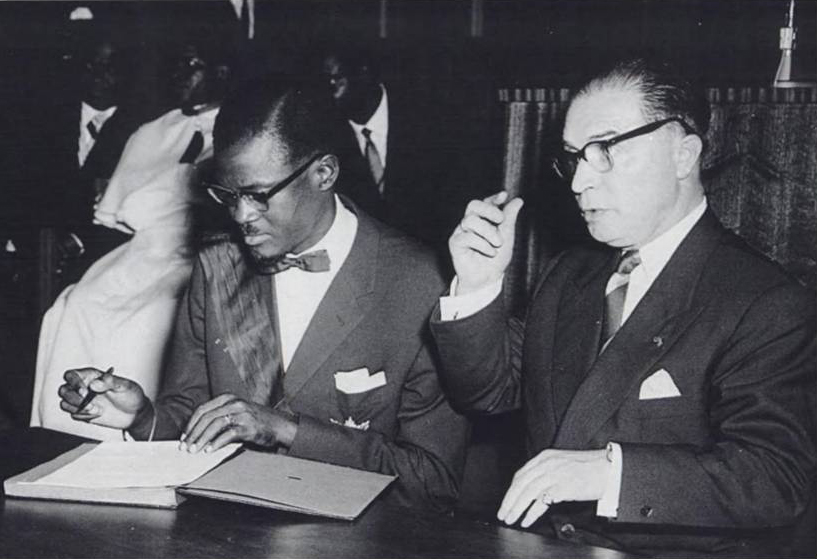
Independence day in Leopoldville on 30 June was one of the moments people remembered. The Congolese prime minister Patrice Lumumba spoke about the reality of colonial rule in front of the departing king, an address that was not on the official programme. Within months the country was in crisis, Lumumba was removed and later killed, and the Congo became one of the first arenas of Cold War intervention in Africa.
The year gave the continent its states and also its problems. Borders drawn in European capitals became national borders, single party rule followed independence in many places, and outside powers continued to interfere. Yet the achievement stands on its own. In twelve months, tens of millions of people ceased to be subjects of distant governments, and the Organisation of African Unity, founded in 1963, gave the new states a table of their own.