The Tangshan Earthquake: China, 1976
1976 · event
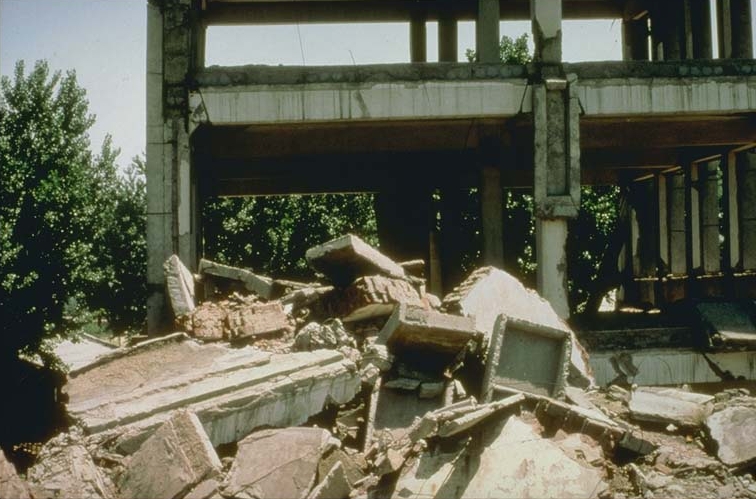
At 3:42 in the morning of 28 July 1976, a powerful earthquake struck the industrial city of Tangshan in Hebei Province, China. The tremor, registering 7.6 in magnitude, originated approximately twelve kilometres beneath the city. Within minutes, 85 percent of Tangshan's buildings collapsed or became uninhabitable. Railway and highway bridges crumbled, water and electricity failed completely, and a city of over one million people was left in darkness and ruin. A second major shock followed hours later, compounding the devastation.
Tangshan had been a thriving coal mining and manufacturing centre, home to workers and their families living in densely packed residential quarters. The earthquake struck when almost everyone was asleep, giving no time to escape. The shallow depth of the quake and its proximity to the city centre made the shaking exceptionally destructive. China was still in the final months of the Cultural Revolution, a period of political upheaval that complicated the initial response and delayed outside assistance.
Rescue efforts began immediately, though hampered by the total collapse of infrastructure and communications. Survivors dug through rubble with their bare hands. The military and volunteers from surrounding provinces arrived within days. The official death toll was reported as 242,469, though many historians estimate at least 300,000 people perished, making this one of the deadliest earthquakes in recorded history. Tens of thousands more were severely injured, and the city had to be rebuilt almost entirely from its foundations.
The Tangshan earthquake remains a defining moment in modern Chinese memory. It exposed the vulnerability of rapidly built urban centres and led to stricter building codes and improved earthquake monitoring across the country. Survivors and their descendants gather each July to honour those who died. The catastrophe is remembered not only for its scale but for the resilience shown in rebuilding a city and caring for its traumatised population in the difficult years that followed.