The Mary Celeste: A Ship Without Her Crew
1872 · event
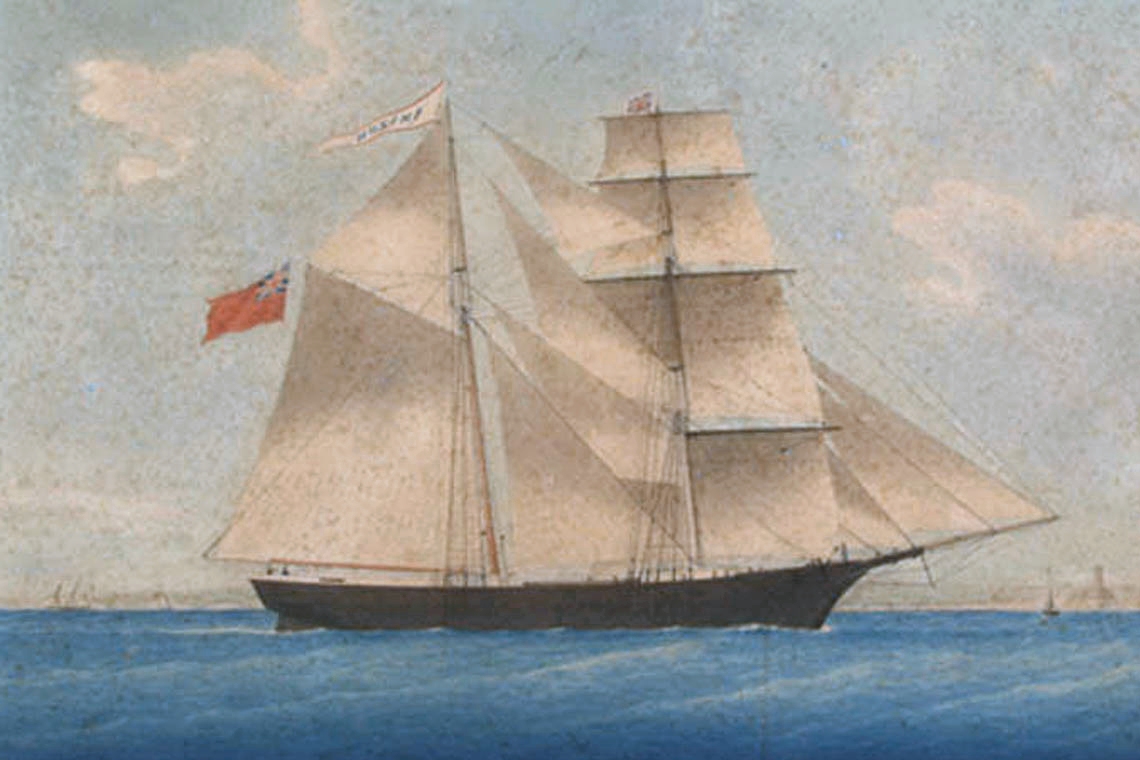
On 4 December 1872 the crew of the Canadian brigantine Dei Gratia sighted a vessel moving oddly under partial sail in the Atlantic between the Azores and Portugal. They came alongside and found the American merchant brigantine Mary Celeste completely empty. There was water in the hold but the ship was seaworthy, the cargo of industrial alcohol was almost entirely in place, and personal belongings were undisturbed. The single lifeboat was gone. Ten people had been aboard, and none of them were ever seen again.
The Mary Celeste had left New York on 7 November under Captain Benjamin Briggs, an experienced and well regarded master who had brought his wife Sarah and their two year old daughter Sophia with him. The crew of seven were sailors of good reputation. The last entry in the log was made ten days before the ship was found, when she was near the island of Santa Maria in the Azores.
A salvage hearing was held in Gibraltar, where the investigating official suspected foul play and delayed the award for months, an approach that clouded the case for a century afterwards. No evidence of violence was ever found. The most careful modern explanations are undramatic. Several of the alcohol barrels had leaked, and fumes in the hold may have prompted a hurried, precautionary evacuation into the lifeboat, with the intention of staying attached to the ship by a rope that then parted in rough weather.
The Mary Celeste became the archetype of the ghost ship, helped along by a short story that Arthur Conan Doyle published in 1884 and by a century of retellings that added details never present in the record. What remains is a smaller and sadder fact. Ten people, including a small child, stepped off a sound ship into an open boat on the winter Atlantic, and the sea kept the rest of the story.