The First Spacewalk: Voskhod 2, 1965
1965 · event
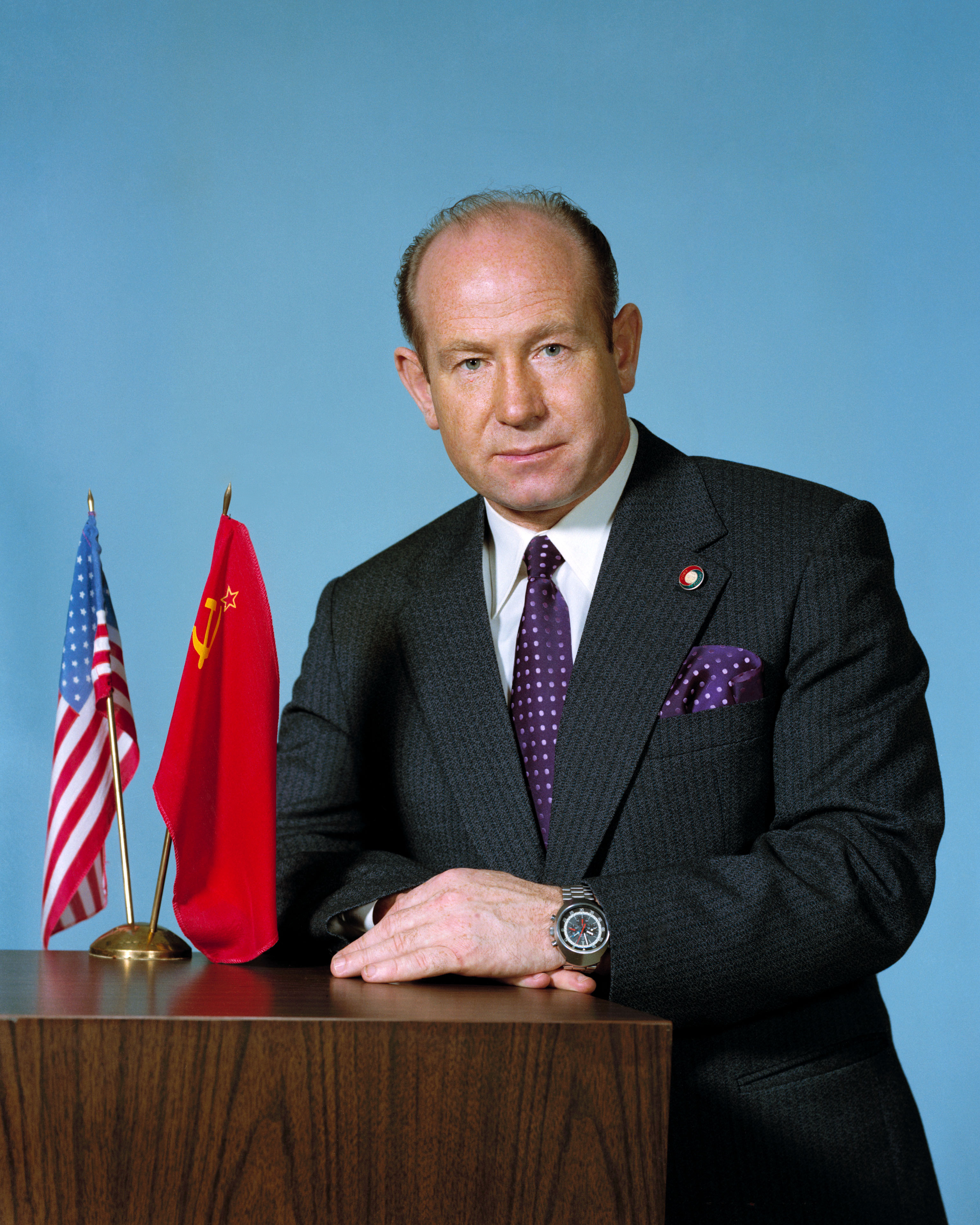
On 18 March 1965 Alexei Leonov opened the hatch of an inflatable airlock attached to the spacecraft Voskhod 2 and pushed himself out into orbit. For about twelve minutes he floated at the end of a five metre tether, five hundred kilometres above the Earth, and became the first human being to leave a spacecraft in flight. He said afterwards that the silence was the thing he had not expected.
Getting back in was the problem. In the vacuum his suit had stiffened and swelled until he could not bend enough to enter the airlock feet first as trained. Without telling ground control until later, he vented air from the suit to reduce its pressure, a decision that risked the bends, and forced himself in head first, then turned around in a space barely wider than his shoulders. He was soaked with sweat and close to heat exhaustion.
The difficulties continued. The automatic reentry system failed, so Leonov and his commander Pavel Belyayev fired the retrorockets by hand and came down far off target in deep snow in the forests of the Urals. They spent a night in the capsule in heavy frost, with wolves in the area, before a rescue party on skis reached them and they were skied out to a helicopter.
Leonov was also a painter, and the sketches he made of the Earth and the sun from orbit are the first works of art created in space. Ten years later he commanded the Soviet side of the Apollo Soyuz mission, shaking hands with an American crew in orbit at the height of the Cold War. The twelve minutes of 1965 opened the era of work outside the spacecraft, without which no space station could ever have been built.