Graceland: Paul Simon, 1986
1986 · music
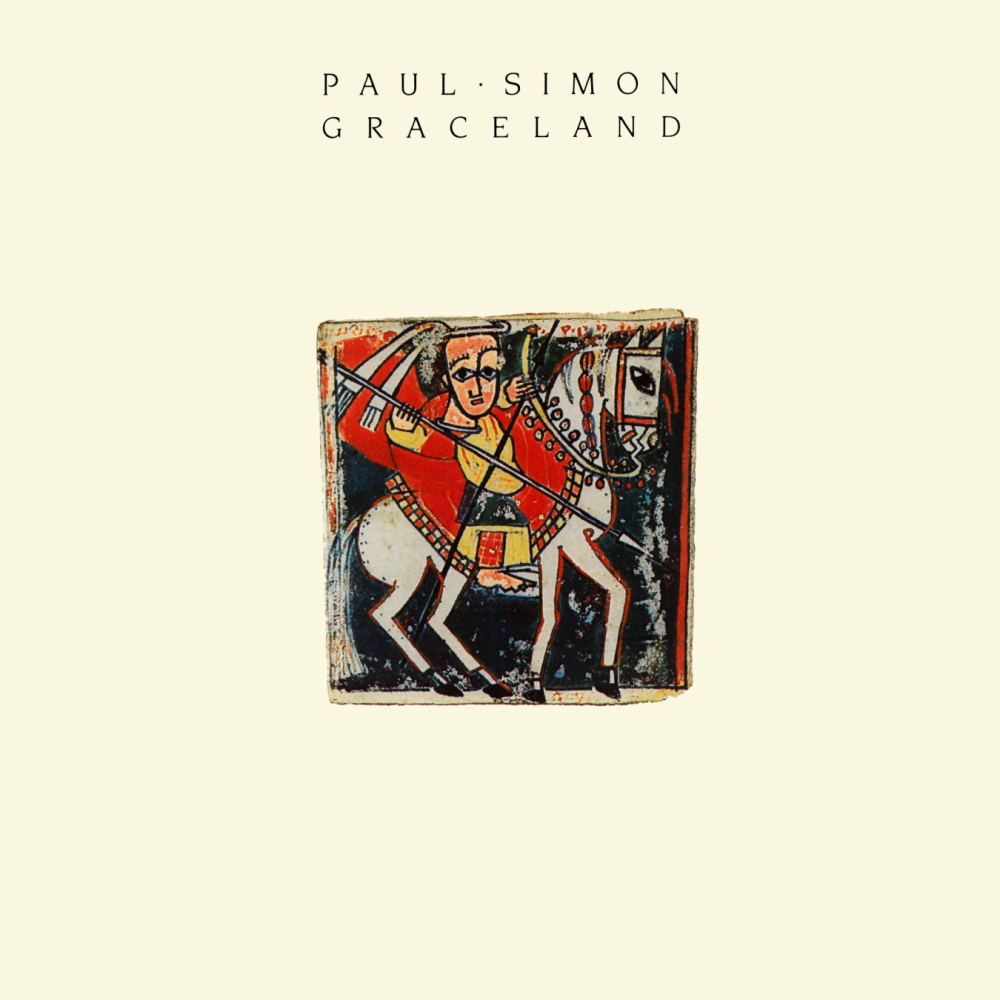
Graceland was released in August 1986 and sold around sixteen million copies. Paul Simon had recorded much of it in Johannesburg with South African musicians, among them the guitarist Ray Phiri, the bass player Bakithi Kumalo and the choir Ladysmith Black Mambazo, whose close harmony singing gave the record several of its best known moments. The rhythms came from mbaqanga and township jive, and the songs were written afterwards, on top of what the musicians had played.
The album was also a public argument. South Africa was under a cultural boycott because of apartheid, and by recording there Simon broke it. The anti apartheid movement and the African National Congress criticised him, and he was placed on a United Nations list before later being removed. His defence was that he had worked with black South African musicians as equals, paid them well above the standard rate and given them credit, and that the music itself carried their voices to an audience that would otherwise never have heard them. Both positions had force, and the argument has never been fully settled.
What is beyond dispute is the effect on the musicians. Ladysmith Black Mambazo went from a national to an international reputation and toured the world for decades. Millions of listeners in Europe and America heard South African music properly for the first time, at a moment when the country was in the news for other reasons.
Graceland won the Grammy for album of the year in 1987. Simon returned to South Africa in 2012 with the surviving musicians for a documentary that revisited the controversy honestly, with participants from both sides of the boycott debate. The record remains a case study in how art can cross a political line and still be worth having.