The Perfect Ten: Montreal, 1976
1976 · event
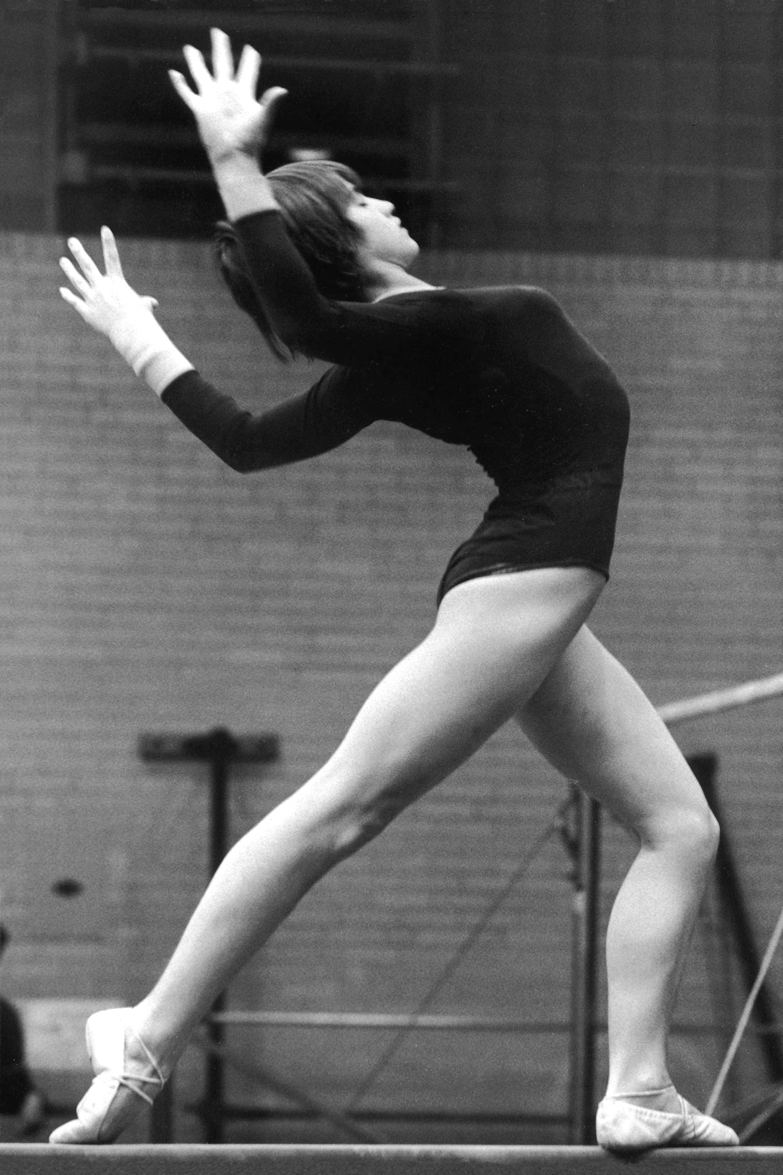
On 18 July 1976, at the Olympic Games in Montreal, a fourteen year old gymnast from Romania finished her routine on the uneven bars and waited for the score. The board showed one point zero zero. The equipment had been built on the assumption that a perfect ten would never be needed and could not display four digits. Nadia Comăneci had been awarded the first perfect score in Olympic gymnastics, and the arena worked it out a few seconds before the announcer did.
She was not finished. Over those Games she received seven perfect tens and won three gold medals, in the all around, the uneven bars and the balance beam. Her routines were built on precision rather than display, and the calm with which she performed them, at an age when most athletes are still learning to manage nerves, was as striking as the difficulty.
Comăneci trained in the state system of communist Romania under the coaches Bela and Marta Karolyi, a regime of long hours that produced extraordinary results and that was later described in detail, by gymnasts including Comăneci herself, as harsh. Her fame at home was carefully managed, and in 1989, shortly before the fall of the government, she left the country in secret and eventually settled in the United States.
The perfect ten changed her sport twice over. It set a standard that a generation of gymnasts trained toward, and it drove the difficulty of routines so high that the scoring system was eventually rebuilt so that a ten is no longer the ceiling. The scoreboard that could not show the number has become the image everyone remembers, a machine outpaced by a child from Onesti.