Blériot Crosses the Channel: 25 July 1909
1909 · event
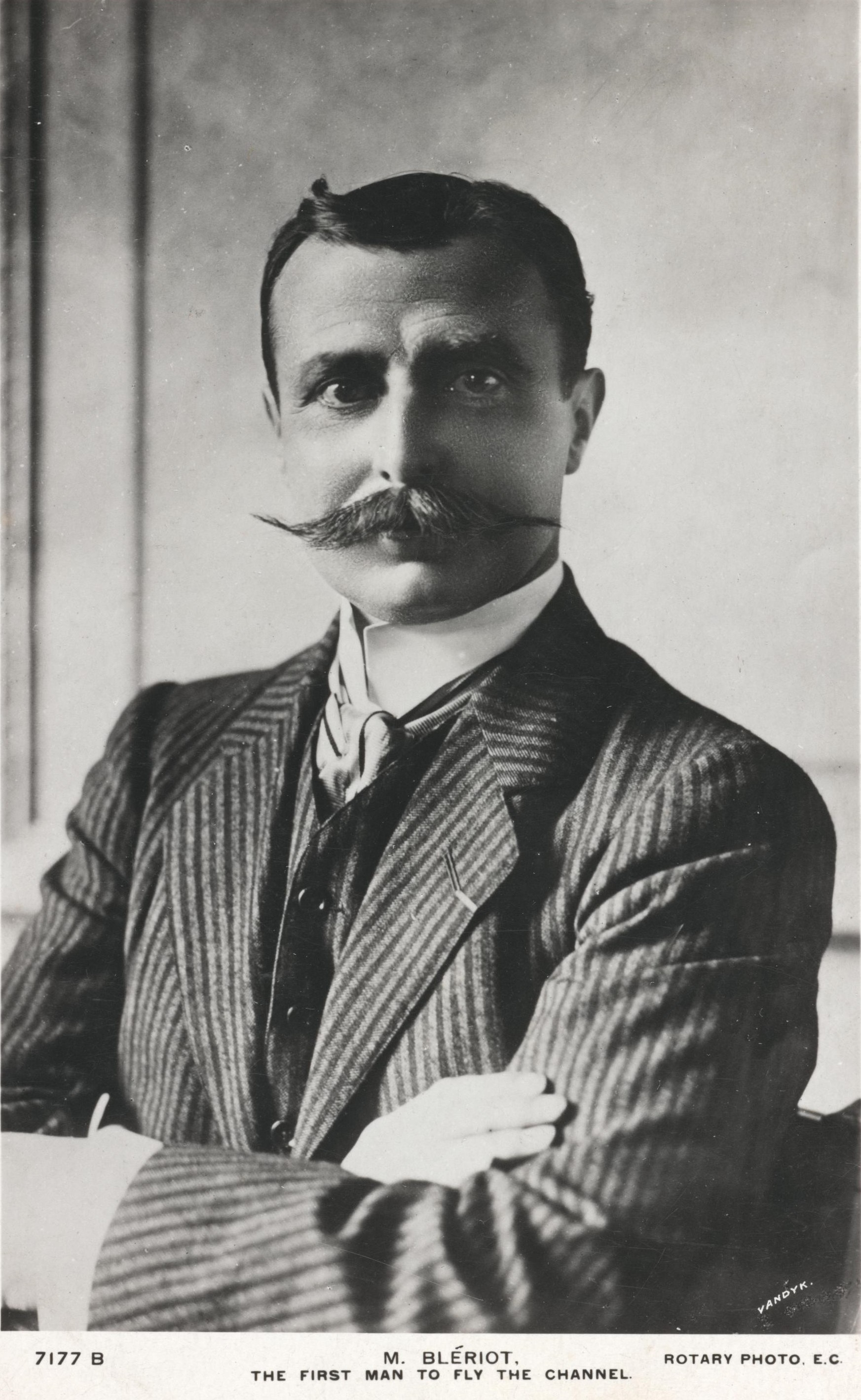
Just after half past four on the morning of 25 July 1909, Louis Blériot took off from a field near Calais in a small monoplane of his own design and pointed it at England. He had no compass. His foot was bandaged after a burn from an earlier flight. For part of the crossing he could see neither coast and simply held his course, and after about thirty seven minutes he came in over the cliffs at Dover, found a gap by the castle and put the aircraft down hard in a meadow. He had become the first person to fly across the English Channel in a heavier than air machine.
Blériot was an engineer who had made his money manufacturing headlamps for cars and had spent most of it crashing early aircraft. His eleventh design, the Blériot XI, was light, simple and controlled by warping the wings, and it worked. A London newspaper had offered a prize of one thousand pounds for the crossing, and a rival had been forced down at sea a few days before.
The flight was celebrated as sport and read as strategy. Newspapers in Britain observed that the island was no longer separated from the continent in the way it had been for a thousand years. Within a few years military aviation was a serious branch of every European army.
Orders for the Blériot XI came from around the world and hundreds were built, making it one of the first aircraft produced in quantity. The machine that landed at Dover is preserved in a museum in Paris. The crossing lasted less than forty minutes and is remembered as the morning that the Channel stopped being a wall.