The Andes Survivors: Seventy Two Days in the Cordillera
1972 · event
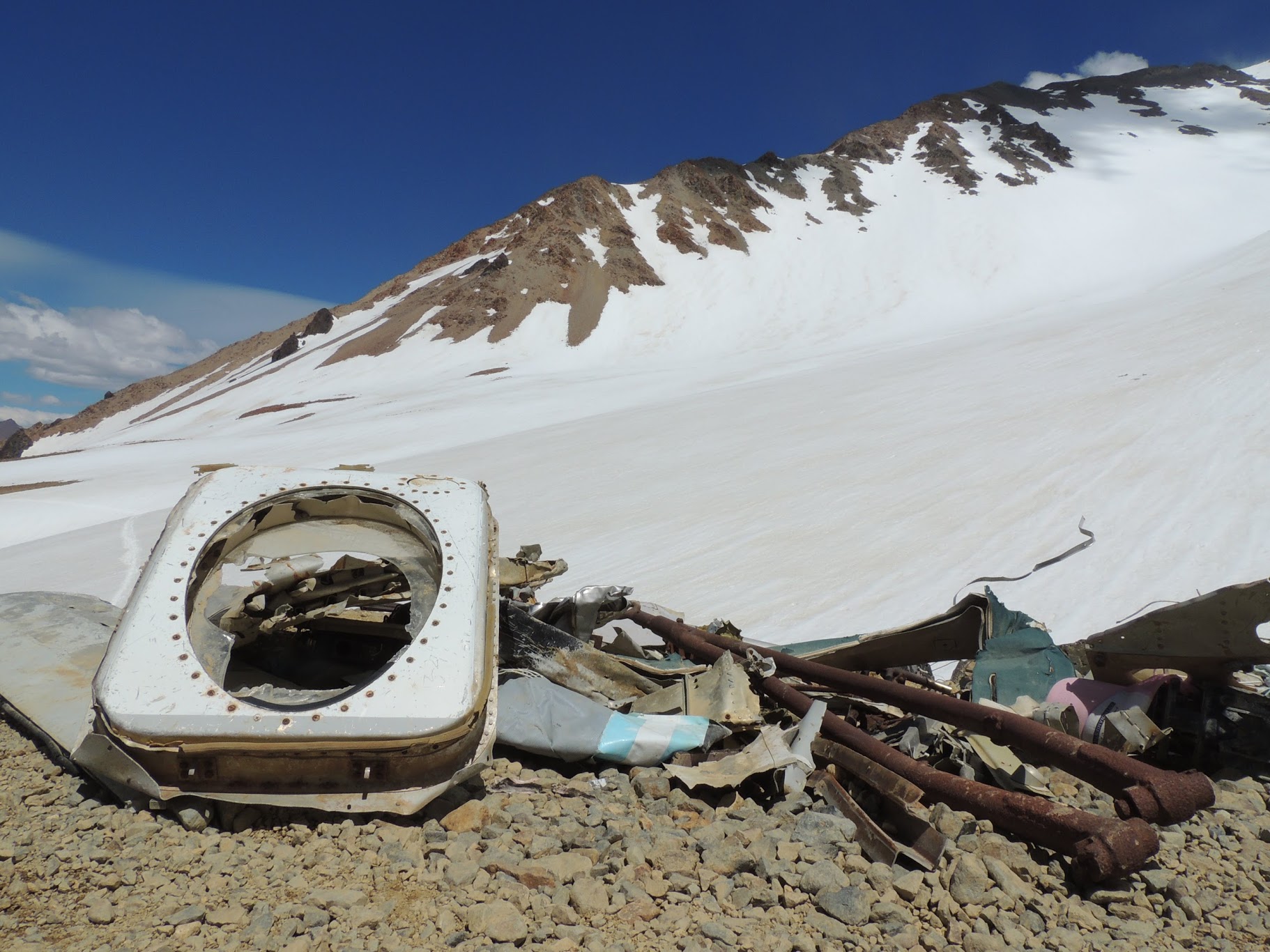
On 13 October 1972, a chartered Fairchild aircraft carrying 45 people, including members of a Uruguayan rugby team, crashed high in the Andes mountains. The co-pilot mistakenly believed he had crossed the turning point for Santiago and began his descent too early, still over the cordillera. The plane struck a mountain ridge at over 3,600 metres altitude, tearing off the wings and tail. The fuselage slid down a glacier and came to rest in deep snow near the border between Argentina and Chile. Twelve people died in the impact or shortly afterwards.
The passengers were mostly young men from the Old Christians Club rugby team in Montevideo, travelling with friends and family to a match in Chile. Search aircraft passed overhead several times in the following days but could not distinguish the white wreckage against the snow. After eight days the official search was abandoned. The survivors faced sub-zero cold, injuries, and no food. An avalanche two weeks later killed thirteen more, burying part of the fuselage where the group had taken shelter.
Facing starvation, the remaining survivors made the decision to eat the bodies of those who had died, a choice they later described as the only way to honour their companions by living. In early December, three of the strongest men set out westward to find help. Nando Parrado and Roberto Canessa walked for nine days across glaciers and peaks before encountering a horseman in a valley on the Chilean side. They guided rescuers back to the crash site.
On 22 and 23 December 1972, helicopters evacuated the last fourteen survivors after seventy-two days in the mountains. Their story became known worldwide as both a tragedy and a testament to the will to survive. The events reshaped understanding of human endurance and the moral complexities of survival, and have been recounted in books and films, including Alive in 1993 and Society of the Snow in 2023.