A Timeless Classic: To Kill a Mockingbird Published
1960 · Philadelphia, Pennsylvania, USA · book
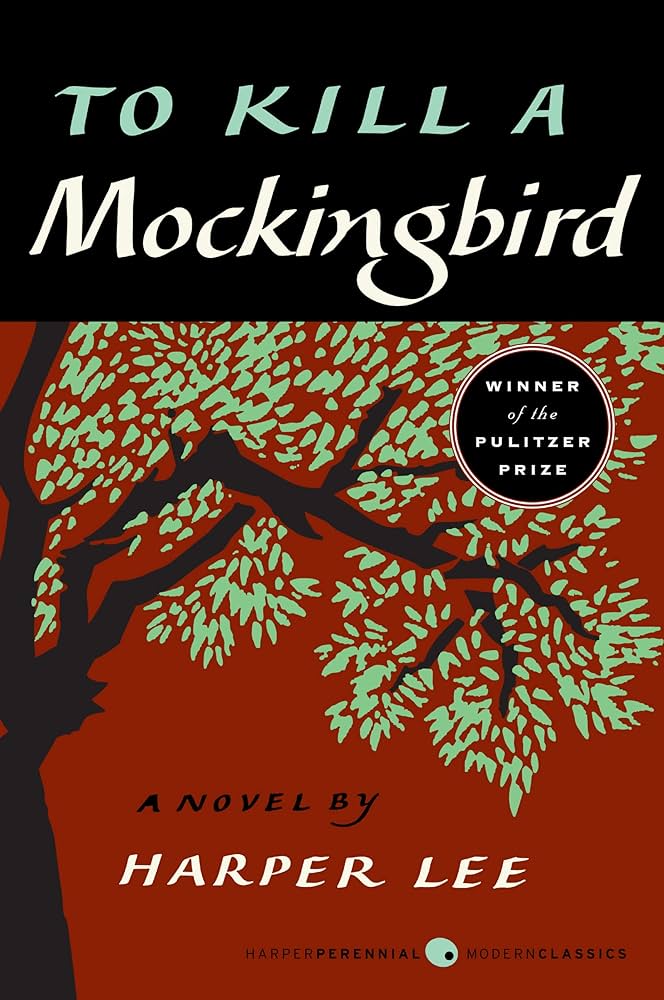
On July 11, 1960, Harper Lee's "To Kill a Mockingbird" was published, becoming an instant classic and one of the most important American novels of the 20th century. Set in the fictional town of Maycomb, Alabama, during the Great Depression, the novel tells the story of Scout Finch and her father Atticus, a lawyer defending a Black man falsely accused of rape. Lee's portrayal of racial injustice in the American South was both powerful and nuanced, showing the courage required to stand up for what's right in the face of overwhelming prejudice. Atticus Finch became a symbol of moral integrity and justice, inspiring generations of lawyers and activists. The novel's exploration of childhood innocence, moral growth, and the coexistence of good and evil in human nature resonated with readers worldwide. Lee's prose was elegant yet accessible, capturing the voice of young Scout while addressing complex themes of racism, class, and justice. The book won the Pulitzer Prize in 1961 and was adapted into an Academy Award-winning film starring Gregory Peck in 1962. Despite-or perhaps because of-its unflinching portrayal of racism, the book has been both celebrated and challenged, frequently appearing on banned books lists while remaining a staple of high school curricula. The novel sold over 40 million copies worldwide and has been translated into more than 40 languages. Its influence on American culture and the civil rights movement was profound, helping white readers understand the reality of racial injustice. The book's famous trial scene, where Atticus defends Tom Robinson despite knowing he'll lose, demonstrates the importance of fighting for justice even when victory seems impossible. Lee's only published novel for 55 years (until the controversial release of "Go Set a Watchman" in 2015), "To Kill a Mockingbird" remains a powerful reminder of America's racial history and the ongoing struggle for equality and justice.