The Fall of the Roman Empire
476 · event
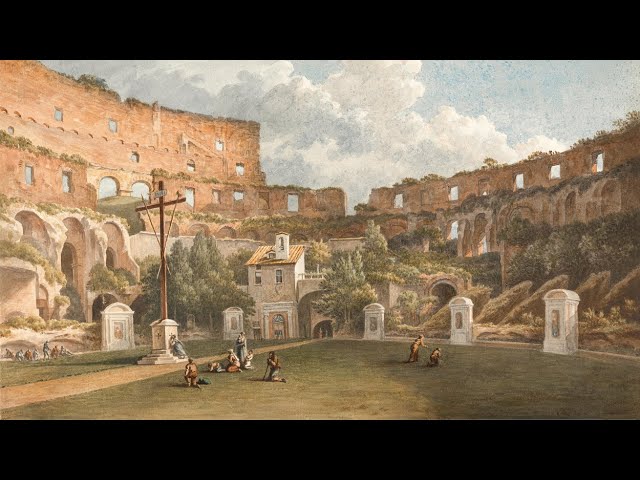
September 4, 476 AD - Romulus Augustulus, the last Roman Emperor of the West, was deposed by the Germanic chieftain Odoacer. This marked the end of the Western Roman Empire, which had dominated Europe, North Africa, and the Middle East for over 500 years. The fall of Rome ushered in the Middle Ages and changed the course of Western civilization. Roads fell into disrepair, literacy declined, and centralized government collapsed. Yet Roman law, language, and culture survived, shaping Europe for centuries to come. The echoes of Rome still resonate today.
Rome did not fall in a day, it faded over generations: the legions recalled, the aqueducts unrepaired, the last emperor a teenager named, with history's sense of irony, Romulus Augustulus, deposed by a soldier who didn't bother to take the crown.
And yet Rome never quite ended. Its language became Spanish, French, Italian, Romanian; its law underpins Europe's courts; its roads still lie beneath the highways. Empires end, memory compounds.