Freedom at Last: Nelson Mandela's Release
1990 · Cape Town, South Africa · event
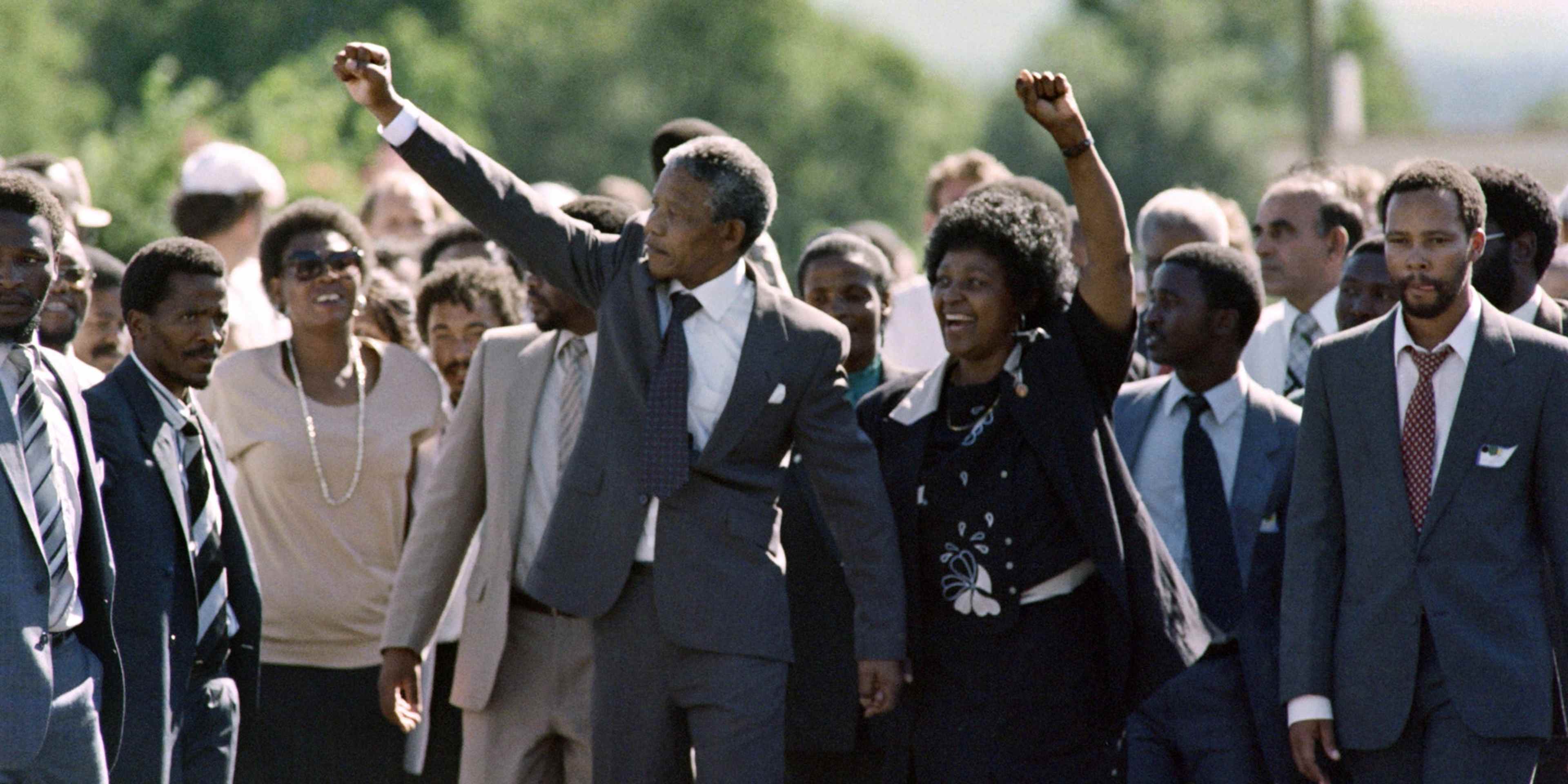
On February 11, 1990, after 27 years of imprisonment, Nelson Mandela walked free from Victor Verster Prison near Cape Town, South Africa. The world watched as the 71-year-old anti-apartheid leader emerged, hand-in-hand with his wife Winnie, raising his fist in the iconic salute that had become a symbol of resistance. Mandela had been imprisoned since 1962 for his fight against South Africa's brutal apartheid regime, spending 18 years in the notorious Robben Island prison. Despite offers of conditional release if he renounced violence, Mandela refused to compromise his principles. His release came after intense international pressure, economic sanctions, and the realization by President F.W. de Klerk that apartheid was unsustainable. Mandela's first speech as a free man, delivered from the balcony of Cape Town City Hall to a crowd of 50,000, called for peace and reconciliation rather than revenge. He emphasized that the struggle was not over and that all South Africans must work together to build a democratic nation. Four years later, in 1994, Mandela became South Africa's first Black president in the country's first fully democratic election. His presidency was marked by efforts at reconciliation through the Truth and Reconciliation Commission, which sought to heal the wounds of apartheid through acknowledgment rather than retribution. Mandela's release marked the beginning of the end of apartheid and demonstrated the power of forgiveness and reconciliation. His journey from prisoner to president inspired oppressed people worldwide and proved that even the most entrenched systems of injustice can be overcome through courage, patience, and moral authority.