The Day the World Changed: Hiroshima
1945 · Hiroshima, Japan · event
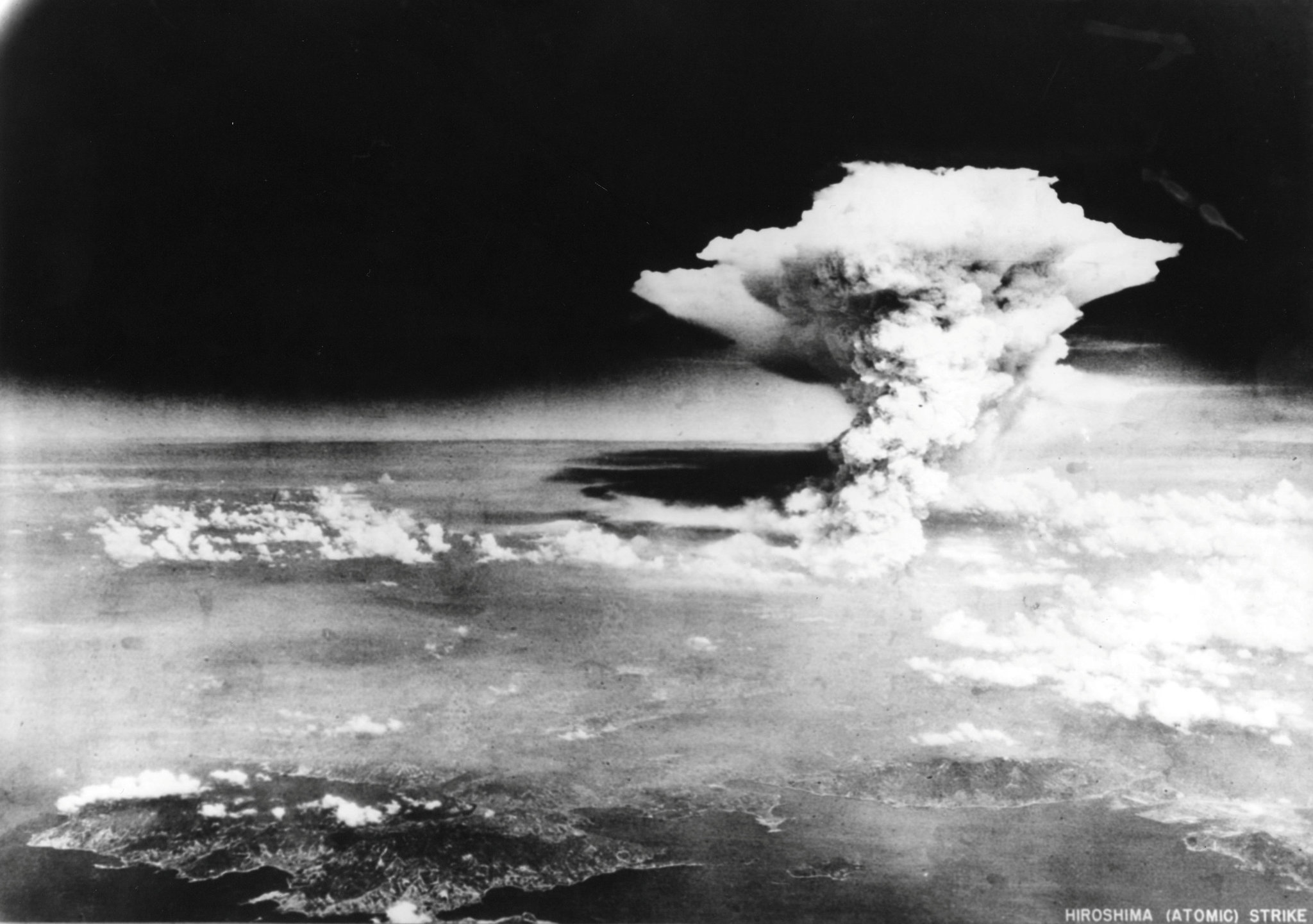
At 8:15 AM on August 6, 1945, the world entered the atomic age when the B-29 bomber Enola Gay dropped "Little Boy" on Hiroshima, Japan. The uranium bomb detonated 1,900 feet above the city, creating a blinding flash brighter than the sun and a mushroom cloud that rose 40,000 feet into the atmosphere. In an instant, 80,000 people were killed, and the city was obliterated. The blast wave traveled at the speed of sound, flattening buildings for miles. Fires raged across the city, creating a firestorm that consumed everything in its path. Survivors, known as hibakusha, suffered from radiation sickness, burns, and injuries that would affect them for the rest of their lives. Three days later, a second atomic bomb was dropped on Nagasaki, killing another 40,000 people. On August 15, Emperor Hirohito announced Japan's surrender, ending World War II but beginning a new era of nuclear anxiety. The bombings remain the only use of nuclear weapons in warfare, serving as a stark reminder of their devastating power. Hiroshima was rebuilt and became a symbol of peace, with the Atomic Bomb Dome preserved as a UNESCO World Heritage Site. The Peace Memorial Park attracts millions of visitors who come to reflect on the horrors of war and the importance of nuclear disarmament. The legacy of Hiroshima continues to shape international relations and nuclear policy to this day.