The Death of Osama bin Laden: 2011
2011 · event
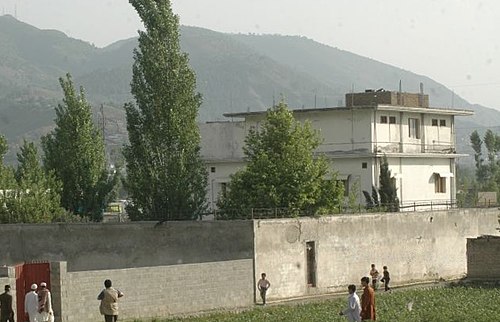
On the night of May 2, 2011, American special forces achieved what had eluded them for nearly a decade. SEAL Team Six, the Navy's most elite unit, descended upon a compound in Abbottabad, Pakistan, where Osama bin Laden had been hiding in plain sight. The raid lasted roughly forty minutes. When it concluded, the architect of the September 11 attacks, a man responsible for thousands of deaths and the reshaping of global geopolitics, lay dead. The compound itself, a sprawling walled residence later nicknamed "Waziristan Haveli," had served as bin Laden's sanctuary as international forces searched the Afghan mountains and remote hideaways across the Islamic world.
Bin Laden's journey to this moment stretched back through nearly a decade of flight and concealment. After orchestrating the devastating attacks on American soil in 2001, he had remained ahead of his pursuers through Afghanistan's mountains and beyond, reportedly escaping American forces during the intense Battle of Tora Bora in December 2001. Allegations would later suggest that he received protection or assistance from elements within Pakistan, complicating both the hunt and international relations.
The operation represented the culmination of years of intelligence work, surveillance, and patient investigation. It marked a symbolic turning point in the war on terror, offering Americans a sense of closure to a wound that had defined their national consciousness for a generation.