Socrates
470 BC, 399 BC · Greece
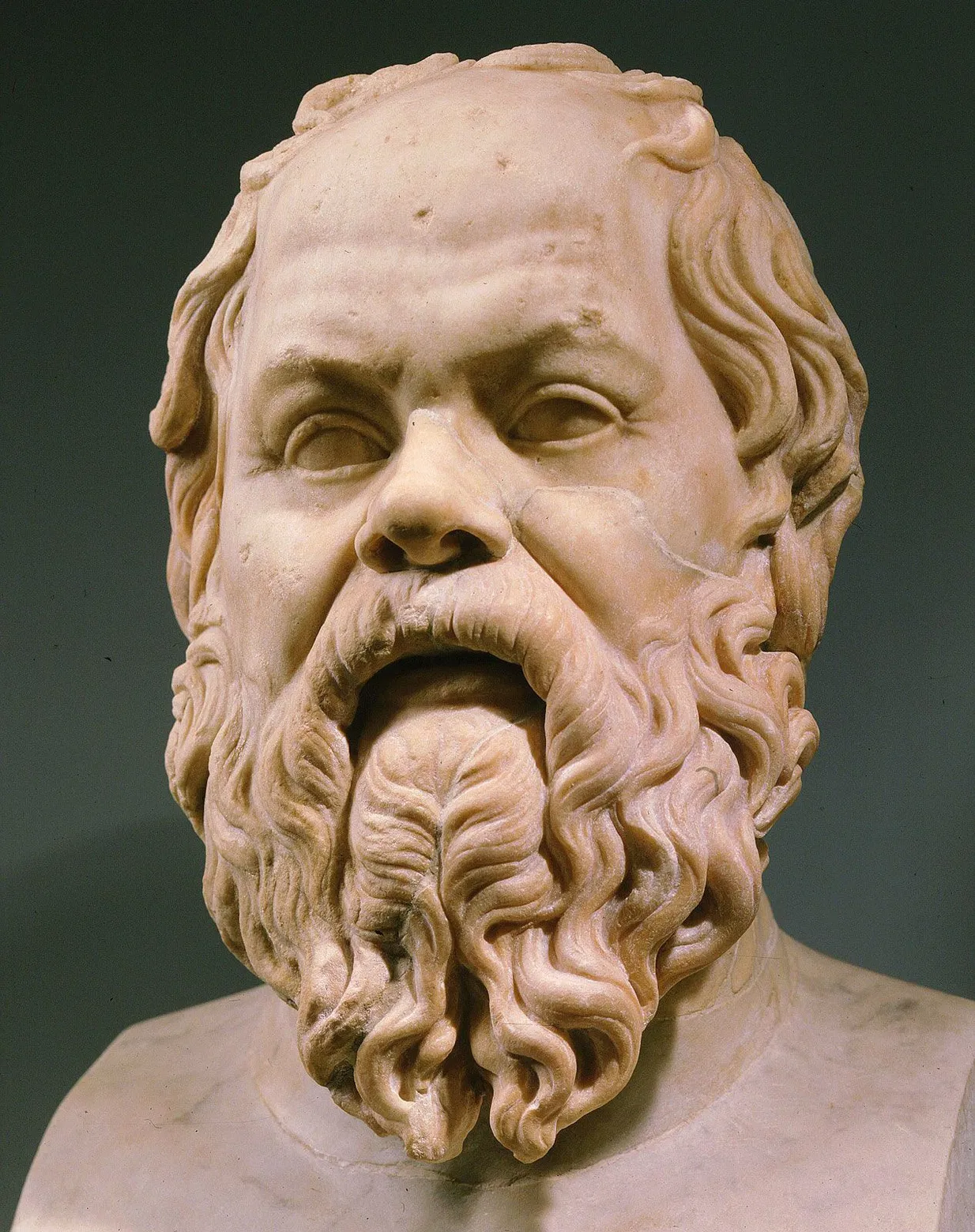
Known for: Socratic method, Western philosophy founder, Ethics, Examined life
“The unexamined life is not worth living”
Biography
Socrates was a Greek philosopher from Athens who is credited as the founder of Western philosophy and among the first moral philosophers of the ethical tradition of thought. Unlike other philosophers of his time, Socrates wrote nothing himself; what we know of him comes primarily from the writings of his students, particularly Plato and Xenophon. Born to a stonemason father and midwife mother, Socrates spent his life in Athens, where he engaged citizens in philosophical discussions in public spaces like the agora (marketplace). His method of inquiry, known as the Socratic method or elenchus, involved asking probing questions to stimulate critical thinking and illuminate ideas. Rather than claiming to possess wisdom, Socrates famously declared that he knew nothing, interpreting the Oracle of Delphi's pronouncement that he was the wisest man in Athens to mean that he alone recognized his own ignorance. This humble approach to knowledge revolutionized philosophy. Socrates focused on ethical questions: What is justice? What is virtue? How should one live? He believed that "the unexamined life is not worth living" and that virtue is knowledge - if people truly understood what was good, they would do it. His relentless questioning of Athenian citizens, particularly those in positions of authority, made him many enemies. In 399 BC, at age 70, Socrates was brought to trial on charges of impiety (not believing in the gods of Athens) and corrupting the youth. Despite opportunities to escape or propose exile as an alternative punishment, Socrates chose to accept the death penalty, drinking hemlock poison. His principled stand for his beliefs, even unto death, made him a martyr for philosophy and free thought. Socrates' influence on Western philosophy cannot be overstated. He inspired Plato, who in turn taught Aristotle, forming a foundational triad of ancient philosophy. His emphasis on ethics, the examined life, and rational inquiry established the trajectory of Western philosophical thought. The Socratic method remains a powerful educational tool today, and his life exemplifies the pursuit of truth and wisdom above all else.