Marie Curie
1867, 1934 · Poland
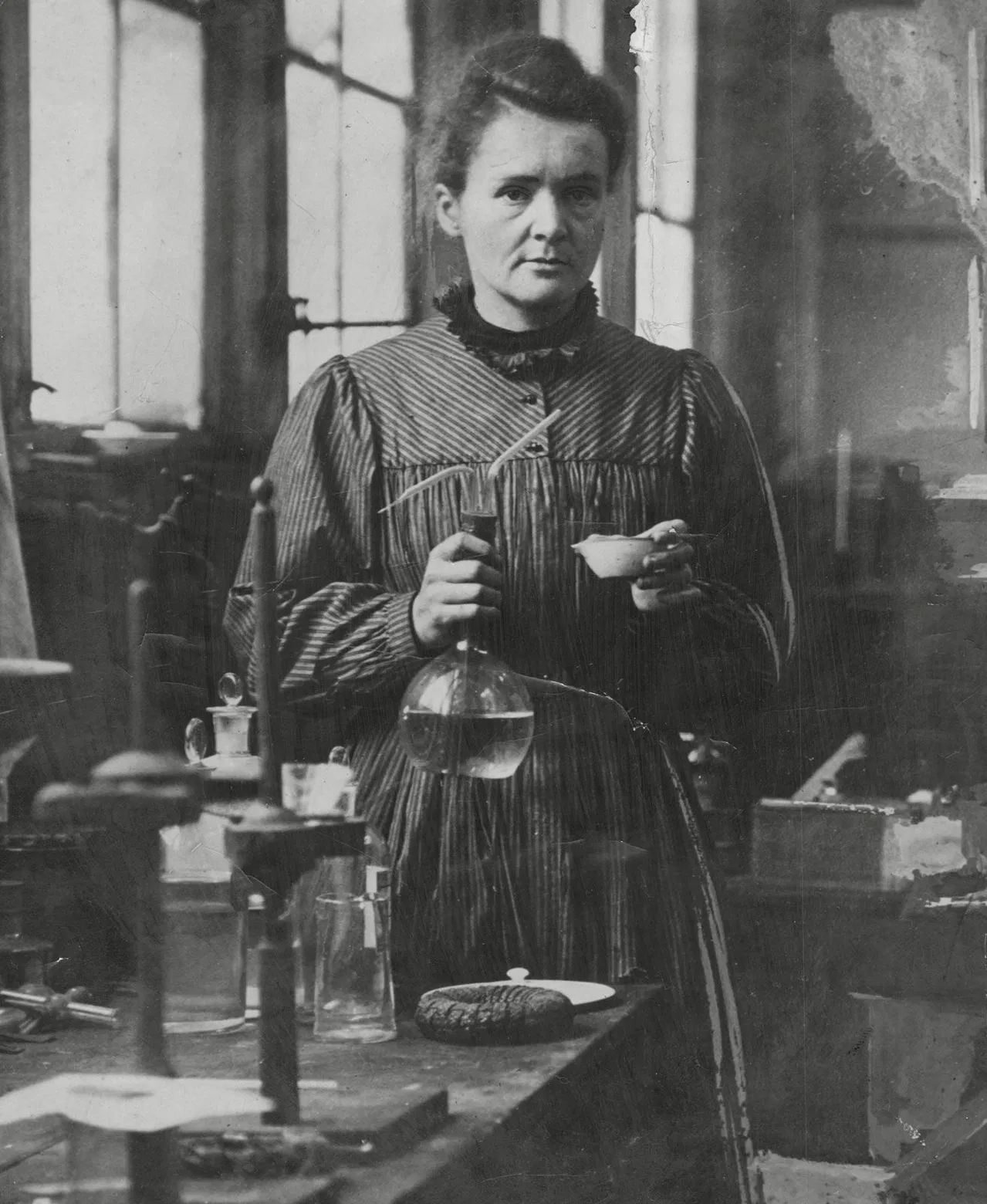
Known for: Radioactivity research, First woman Nobel Prize winner, Discovered Polonium and Radium
“Nothing in life is to be feared, it is only to be understood. Now is the time to understand more, so that we may fear less”
Biography
Marie Skłodowska Curie was a Polish and naturalized-French physicist and chemist who conducted pioneering research on radioactivity, a term she coined. Born in Warsaw, Poland, she moved to Paris to study at the Sorbonne, where she met her husband Pierre Curie. Together, they discovered two new elements: polonium (named after her native Poland) and radium. Marie Curie was the first woman to win a Nobel Prize, the first person to win Nobel Prizes in two different sciences (Physics in 1903 and Chemistry in 1911), and the first woman to become a professor at the University of Paris. Her work laid the foundation for the development of X-rays in surgery and cancer treatment through radiation therapy. During World War I, she developed mobile radiography units, known as "petites Curies," to provide X-ray services to field hospitals. Despite facing discrimination as a woman in science and as a foreigner in France, she persevered and became one of the most celebrated scientists in history. Tragically, her prolonged exposure to radiation led to aplastic anemia, which caused her death in 1934. Her legacy continues through the Curie Institutes in Paris and Warsaw, which remain major cancer research centers. Her daughter, Irène Joliot-Curie, also won a Nobel Prize in Chemistry, making them the only mother-daughter pair to achieve this honor.