Mahatma Gandhi
1869, 1948 · India
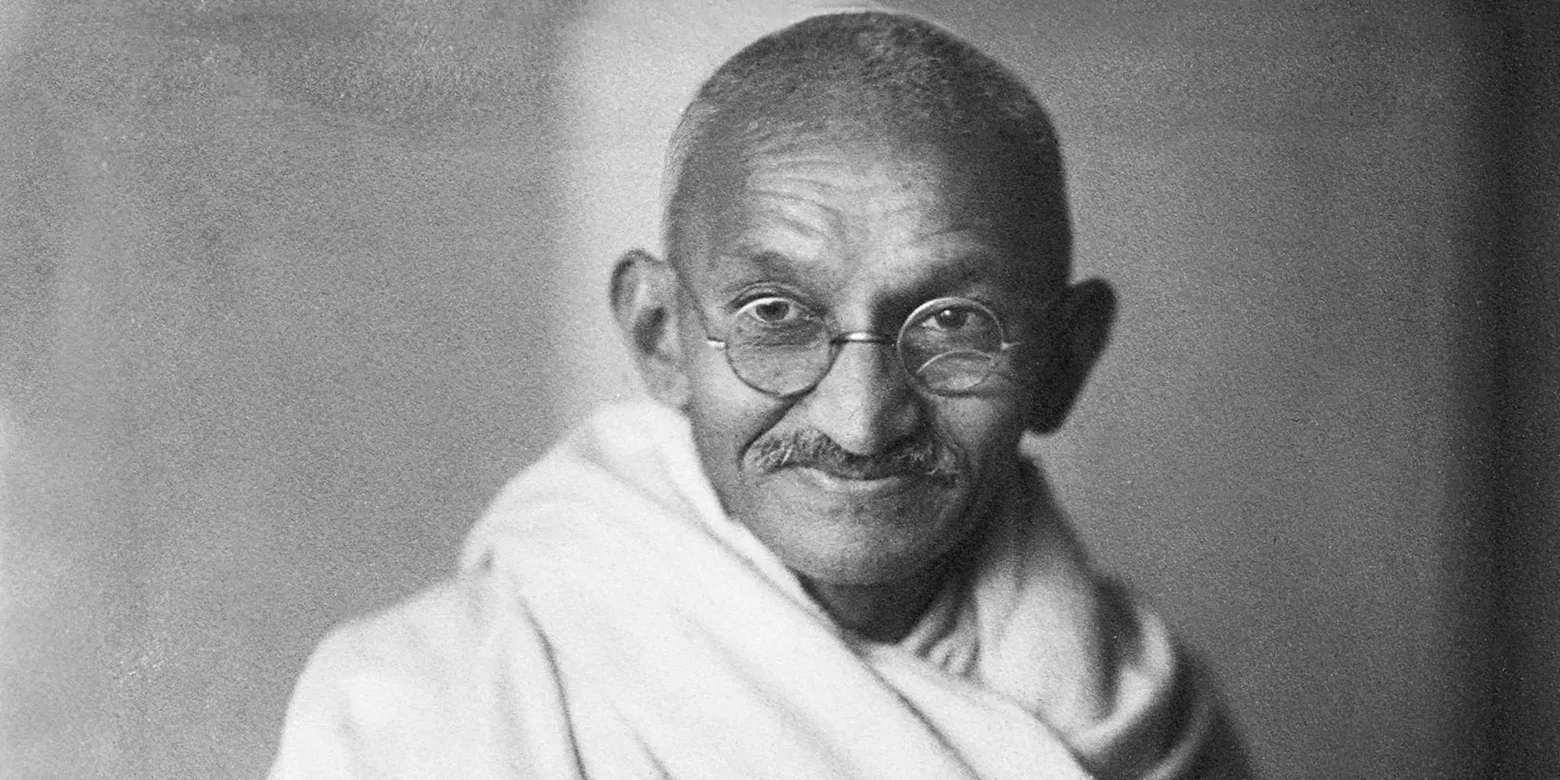
Known for: Non-violent resistance, Indian independence movement, Civil disobedience, Satyagraha
“Be the change that you wish to see in the world”
Biography
Mohandas Karamchand Gandhi, honorifically known as Mahatma ("great-souled"), was an Indian lawyer, anti-colonial nationalist, and political ethicist who employed nonviolent resistance to lead the successful campaign for India's independence from British rule. Born in Porbandar, India, Gandhi studied law in London and practiced in South Africa, where he first developed his philosophy of satyagraha (truth-force) and nonviolent resistance against racial discrimination. Returning to India in 1915, he organized peasants, farmers, and urban laborers to protest against excessive land-tax and discrimination. He became the leader of the Indian National Congress in 1921, leading nationwide campaigns for easing poverty, expanding women's rights, building religious and ethnic amity, ending untouchability, and achieving swaraj (self-rule). Gandhi famously led the 1930 Salt March, a 240-mile protest against the British salt tax, which became a pivotal moment in India's independence movement. He lived modestly in a self-sufficient residential community, wore traditional Indian dhoti and shawl, and practiced fasting as a means of both self-purification and political protest. His philosophy of nonviolence (ahimsa) and civil disobedience inspired civil rights movements around the world, including Martin Luther King Jr. and Nelson Mandela. Gandhi was assassinated on January 30, 1948, by a Hindu nationalist who opposed his tolerance of Muslims. His birthday, October 2, is commemorated as the International Day of Nonviolence.