Janusz Korczak
1878, 1942 · Poland
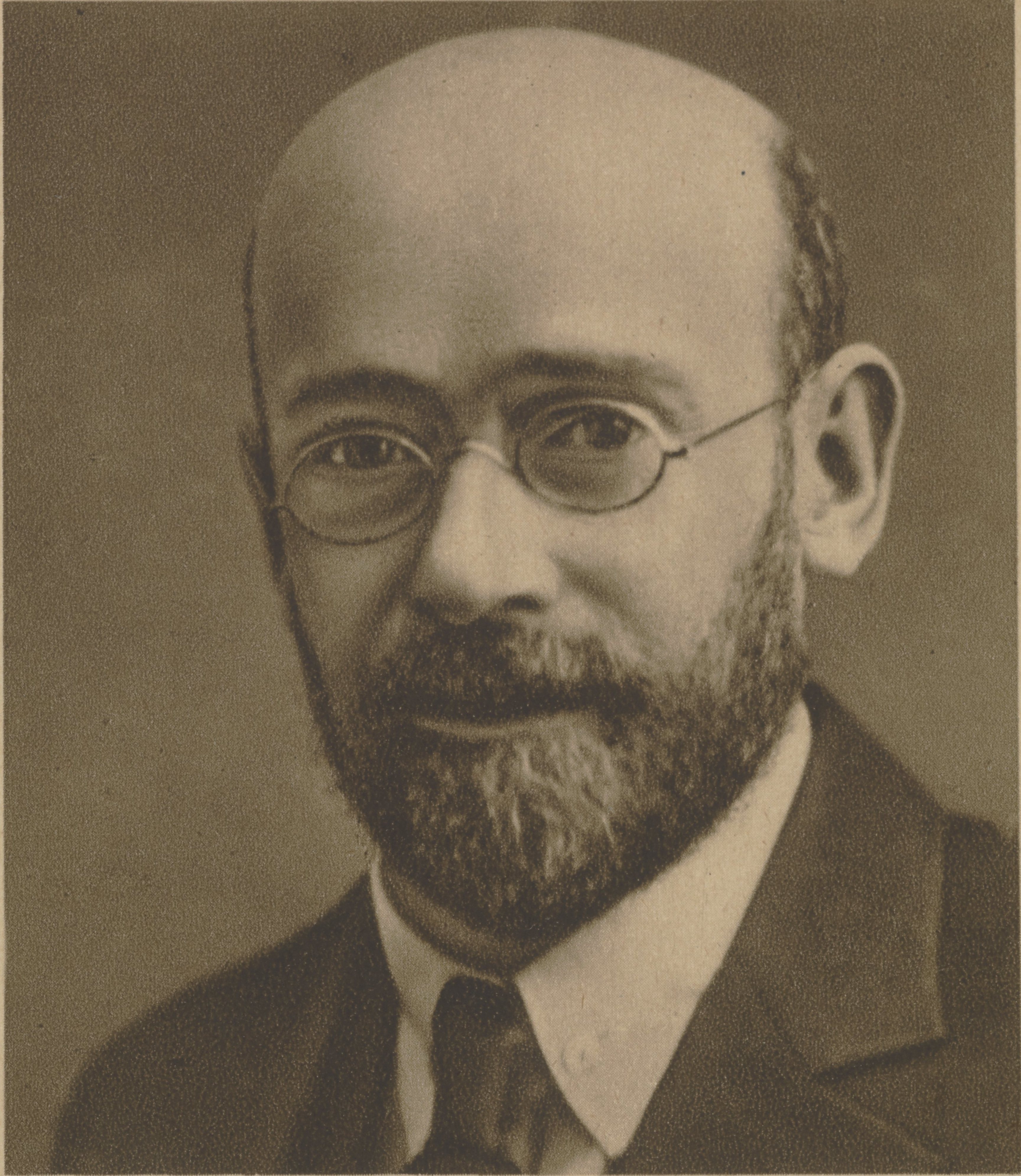
Known for: Paediatrician and educator who went to Treblinka with his orphans
“You do not leave a sick child in the night, and you do not leave children at a time like this”
Biography
Janusz Korczak was the pen name of Henryk Goldszmit, born in Warsaw in the summer of 1878 or 1879; his father, a respected lawyer, never registered the birth in time, and the doctor was never certain of his own age. The family's comfort ended when his father fell ill around 1890, was committed to an asylum and died there in 1896. He published a satirical piece on the raising of children at eighteen, and took the name Korczak from a novel by Józef Ignacy Kraszewski when he entered a literary competition in 1898. He studied medicine at the University of Warsaw, served as a military doctor in the Russo-Japanese war, and from 1905 worked as a paediatrician at the Bersohn and Bauman Children's Hospital. His early novels about the children of the Warsaw streets and drawing rooms made his name as a writer.
In 1911 he gave up a promising medical career to direct Dom Sierot, a home for Jewish orphans built to his own design, and there, with Stefania Wilczyńska, he spent the rest of his life. The house was run as a small republic: the children had a parliament, a code of law and a court before which the staff, Korczak included, could be summoned. In 1919 he published How to Love a Child and set out the rights he believed a child holds, among them the right to the present day, the right to be what the child is, and the right of the child to its own death; in the same year he helped found a second home, Nasz Dom. From 1926 the children of Dom Sierot brought out their own weekly newspaper, Mały Przegląd, written and edited by them. In the 1930s his radio talks as the Old Doctor made his voice familiar across Poland.
When the Germans created the Warsaw Ghetto in 1940, the orphanage was ordered out of its building and behind the walls. Korczak went with it, moved the children twice into worse quarters, begged for food and kept lessons, plays and concerts going. Friends and the underground offered him papers and a hiding place on the other side more than once, and each time he refused, saying that children are not left at such a time. In July 1942 the children performed Rabindranath Tagore's The Post Office. Early in August the order came for the house: some hundred and ninety children, Korczak, Wilczyńska and the rest of the staff walked in a column to the Umschlagplatz, the children in their best clothes and each with a blue knapsack, and were deported to Treblinka, where they were murdered. His diary, written in the ghetto, survived.