Jackson Pollock
1912, 1956
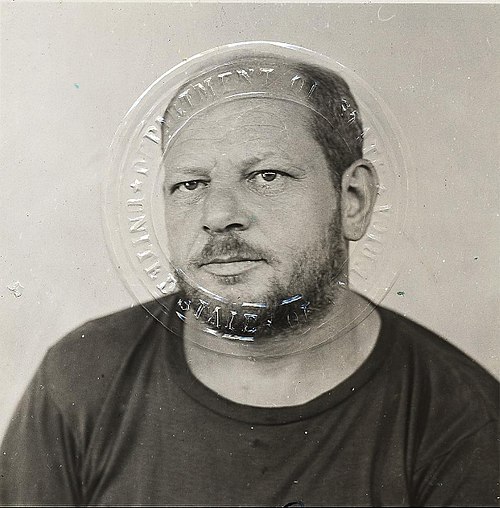
Known for: Pioneer of abstract expressionism
“His dripped canvas unleashed art from the soul”
Biography
Paul Jackson Pollock emerged from Wyoming's windswept plains to revolutionize how the world understood painting itself. Born in 1912, he arrived in New York during the ferment of the 1930s, absorbing lessons from the Mexican muralists and the Surrealists who had fled to American shores. By the mid-1940s, Pollock had discovered his radical method, laying vast canvases flat on the studio floor and moving across them like a man possessed, pouring and flinging liquid paint in rhythmic arcs. His entire body became the instrument, his movements the message. These "all-over" compositions eliminated the hierarchy of composition, allowing paint to dance across every inch of canvas with equal intensity, creating a shimmering web of energy that seemed to pulse with raw human gesture and spontaneity.
The drip paintings that emerged from his frenetic studio sessions in Springs, Long Island, shattered conventional notions of artistic control and beauty. Pollock worked in a trance-like state, music blaring, cigarette smoke curling through the air, as he orchestrated controlled chaos into monumental abstractions. Though he struggled with alcoholism and emotional turbulence throughout his life, his revolutionary technique fundamentally altered modern art's trajectory, making the act of painting itself the central subject. When a car accident claimed his life in 1956, Pollock left behind a radically transformed landscape of American art.