Irena Sendler
1910, 2008 · Poland
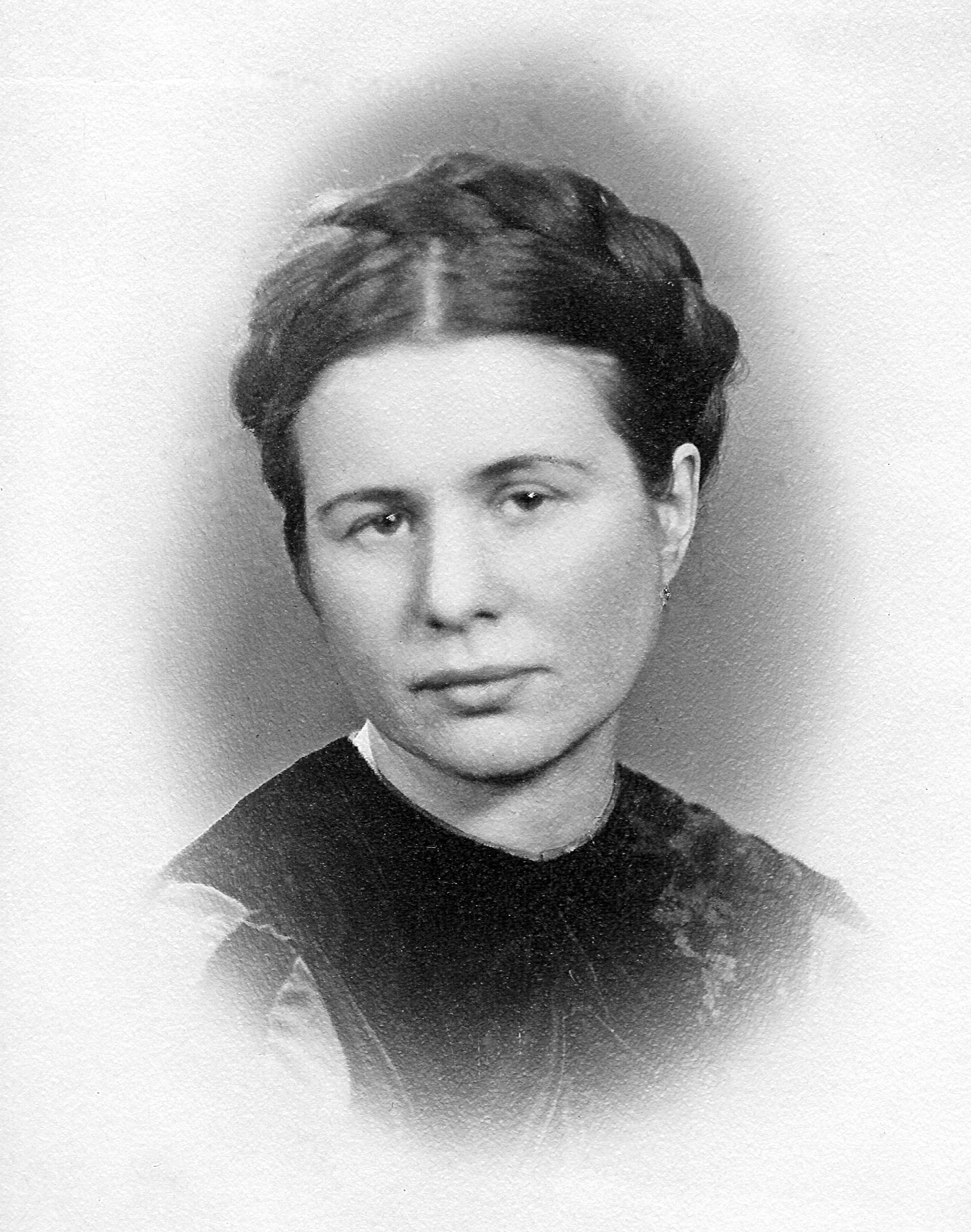
Known for: Rescued some 2,500 Jewish children from the Warsaw Ghetto
“Remembered for the children she carried to safety, and for never calling it heroism.”
Biography
Irena Sendler was born in Warsaw in 1910 and spent her childhood in Otwock, a town southeast of the capital with a large Jewish community. Her father was a physician who treated his poorest patients, many of them Jewish, without charge, and died of typhus in 1917 caught at their bedsides. At the University of Warsaw she studied law and then Polish literature, and she opposed the ghetto bench system that segregated Jewish students, defacing the non Jewish marking on her own grade card. She found her vocation at the Free Polish University, among the social workers around Professor Helena Radlińska, and from 1935 she worked for the Warsaw city Department of Social Welfare and Public Health.
The municipal post became her cover. When the occupation authorities barred the department from assisting Warsaw's Jewish residents, she and a circle of colleagues, most of them women, produced false papers so that help still reached Jewish families. After the ghetto was sealed in November 1940, she obtained passes as a sanitary inspector, since the Germans feared that typhus would spread beyond the district. Under cover of those inspections she carried in food, medicine and clothing, and began carrying children out: through the courthouse on the boundary, in ambulances and workmen's bags. Each child received a new name and new papers and a place with a Polish family, in an orphanage or a convent. From October 1943, under the alias Jolanta, she headed the children's section of Żegota, the Polish Council to Aid Jews, and she kept hidden lists of the children's true names so that these might one day be given back. Some two and a half thousand children were saved.
The Gestapo arrested her in October 1943. She was held in Pawiak prison, tortured and sentenced to death, but she gave up nothing: not the lists, not the addresses, not the names of those sheltering children. Żegota bribed a German official, and on the day set for her execution she was released; she spent the rest of the occupation in hiding and went on working. Afterwards she returned to social work in communist Poland, received the Gold Cross of Merit in 1946 and was honoured by the State of Israel as Righteous Among the Nations in 1965. Wide recognition came only at the end of her life, with the Order of the White Eagle, Poland's highest honour. She died in Warsaw on 12 May 2008, at the age of ninety eight, having always refused the word hero and insisted that the rescue had been the work of many hands.