Frida Kahlo
1907, 1954 · Mexico
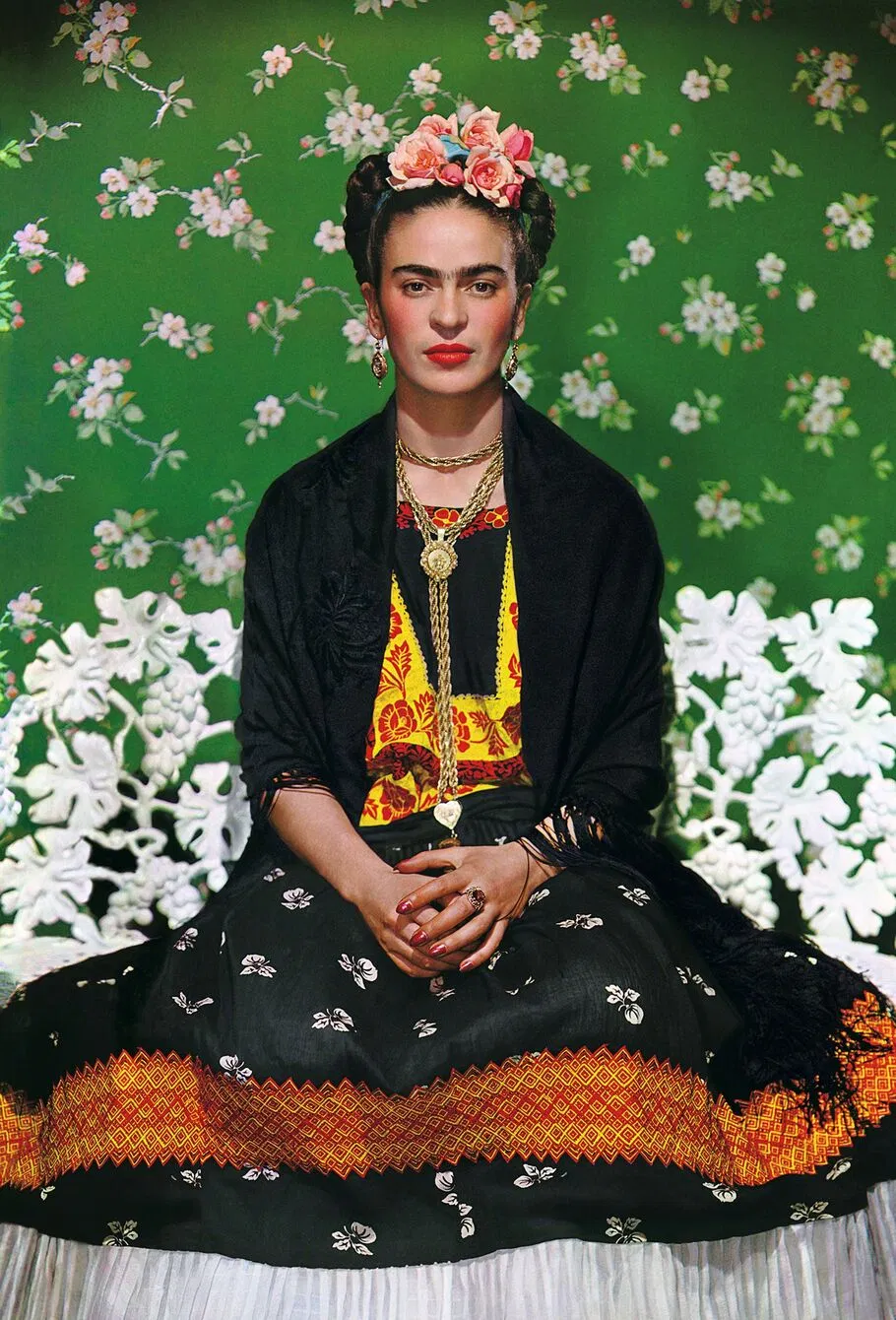
Known for: Self-portraits, surrealist art, feminist icon
“I paint myself because I am so often alone”
Biography
Magdalena Carmen Frida Kahlo y Calderón emerged from the turbulent landscape of twentieth-century Mexico as one of art's most unflinching chroniclers of the human soul. Born in 1907 in Coyoacán, she survived polio in childhood and a devastating bus accident at eighteen that left her body fractured and in chronic pain for life. These ordeals became the crucible of her art. Unable to move freely, she painted from her bed, often using a specially designed easel, and discovered in self-portraiture a way to transform suffering into something transcendent. Her face-with its distinctive unibrow and penetrating gaze-became her canvas, a mirror held up to anguish, resilience, and unflinching self-knowledge.
Her paintings blazed with the colors and symbolism of Mexican folk tradition, drawing from pre-Columbian imagery, Catholic iconography, and the raw landscapes of her homeland. Yet beneath their decorative beauty lay profound meditations on identity, desire, loss, and the defiant strength required simply to endure. She married the muralist Diego Rivera, and their turbulent relationship fueled much of her emotional intensity. Though surrealists later claimed her as their own, Kahlo resisted the label, insisting she painted her own reality. In her fifty-five years, she created an extraordinary legacy-not despite her wounds, but through them-bequeathing to the world images of extraordinary power that continue to move and inspire.