Desmond Tutu
1931, 2021 · South Africa
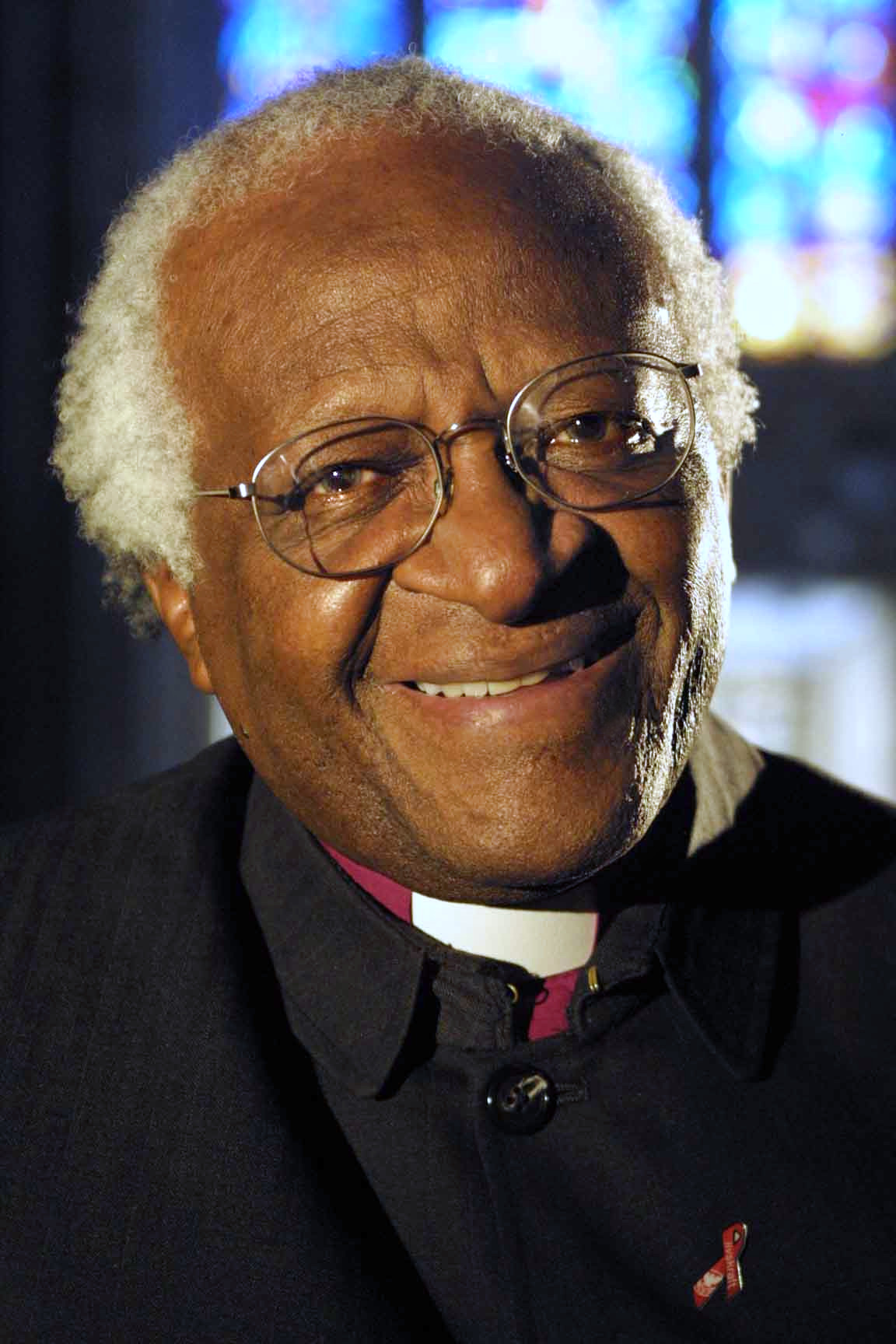
Known for: Archbishop whose voice carried the case against apartheid to the world
“He refused to let cruelty pass unnamed, and refused to answer it with hatred.”
Biography
Desmond Mpilo Tutu was born on 7 October 1931 in Klerksdorp in the Transvaal, to a Xhosa father who taught school and a Tswana mother who worked as a cook. The family was poor and moved often, and polio left his right hand weakened for life. Admitted to study medicine in Johannesburg, he could not afford the fees and trained as a teacher instead; he taught for several years and resigned in protest when the Bantu Education Act narrowed what black children were permitted to learn. He married Nomalizo Leah Shenxane, was ordained an Anglican priest in 1960, and went on to study theology at King's College London before returning to teach at seminaries in South Africa, Lesotho and Botswana.
From 1975 Tutu held a succession of posts that gave him a public voice: dean of St Mary's Cathedral in Johannesburg, Bishop of Lesotho, and from 1978 general secretary of the South African Council of Churches. From there he became one of the most audible opponents of apartheid at a time when most political leaders were in prison or in exile. He argued for non violent protest and for foreign economic pressure on Pretoria, warned the government that unanswered anger would end in bloodshed, and on occasion placed himself between a crowd and a suspected informer to stop a killing. He received the Nobel Peace Prize in 1984. In 1985 he became Bishop of Johannesburg and in 1986 Archbishop of Cape Town, the first black African in either office, and he opened the priesthood of his province to women.
When apartheid ended, Nelson Mandela asked him to chair the Truth and Reconciliation Commission, which from 1996 heard testimony from victims and from perpetrators seeking amnesty and put the country's recent history on public record; Tutu wept openly during the hearings and gave the new South Africa the phrase Rainbow Nation. He stepped down as archbishop in 1996 and withdrew from public life in 2010, but kept speaking: on the Iraq War, on the conduct of South African presidents after Mandela, and for the rights of gay and lesbian people, whose exclusion he compared to racism. He died in Cape Town on 26 December 2021, aged ninety, and after a state funeral his ashes were interred at St George's Cathedral.