Alexander the Great
356 BC, 323 BC · Macedonia
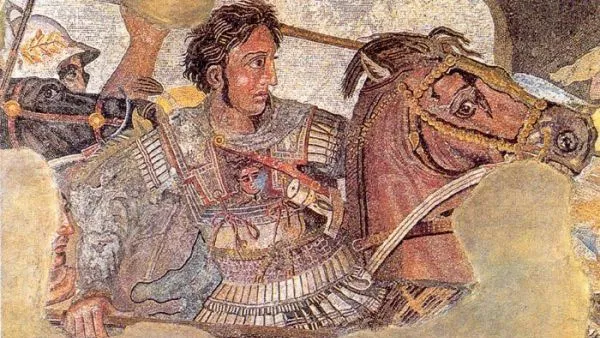
Known for: Conquered Persian Empire, Created vast empire, Never lost a battle, Spread Hellenistic culture
“There is nothing impossible to him who will try”
Biography
Alexander III of Macedon, commonly known as Alexander the Great, was a king of the ancient Greek kingdom of Macedon who created one of the largest empires in history, stretching from Greece to northwestern India. Born in Pella, Macedonia, Alexander was tutored by the philosopher Aristotle, who instilled in him a love of knowledge, philosophy, medicine, and science. At age 20, Alexander inherited a powerful kingdom and an experienced army from his father, Philip II, after Philip's assassination. Alexander spent most of his ruling years conducting a lengthy military campaign throughout Western Asia and Egypt. By age 30, he had created one of the largest empires in ancient history, never losing a battle despite often being outnumbered. His military tactics and strategies are still studied in military academies today. Alexander's conquests began with the subjugation of Greece, followed by the conquest of the Persian Empire, including the battles of Granicus, Issus, and Gaugamela. He then marched into Egypt, where he was welcomed as a liberator and founded the city of Alexandria, which became a center of learning and culture. His campaign extended to India, where he fought King Porus at the Battle of the Hydaspes. Alexander's empire facilitated cultural exchange between East and West, spreading Greek culture (Hellenism) throughout the known world. This Hellenistic period profoundly influenced art, architecture, language, and thought. Alexander died in Babylon at age 32 under mysterious circumstances, possibly from illness, poisoning, or excessive drinking. His empire fragmented shortly after his death, but his legacy as a military genius and cultural bridge-builder endured for millennia.